

Antique and Historic Homes in Maine
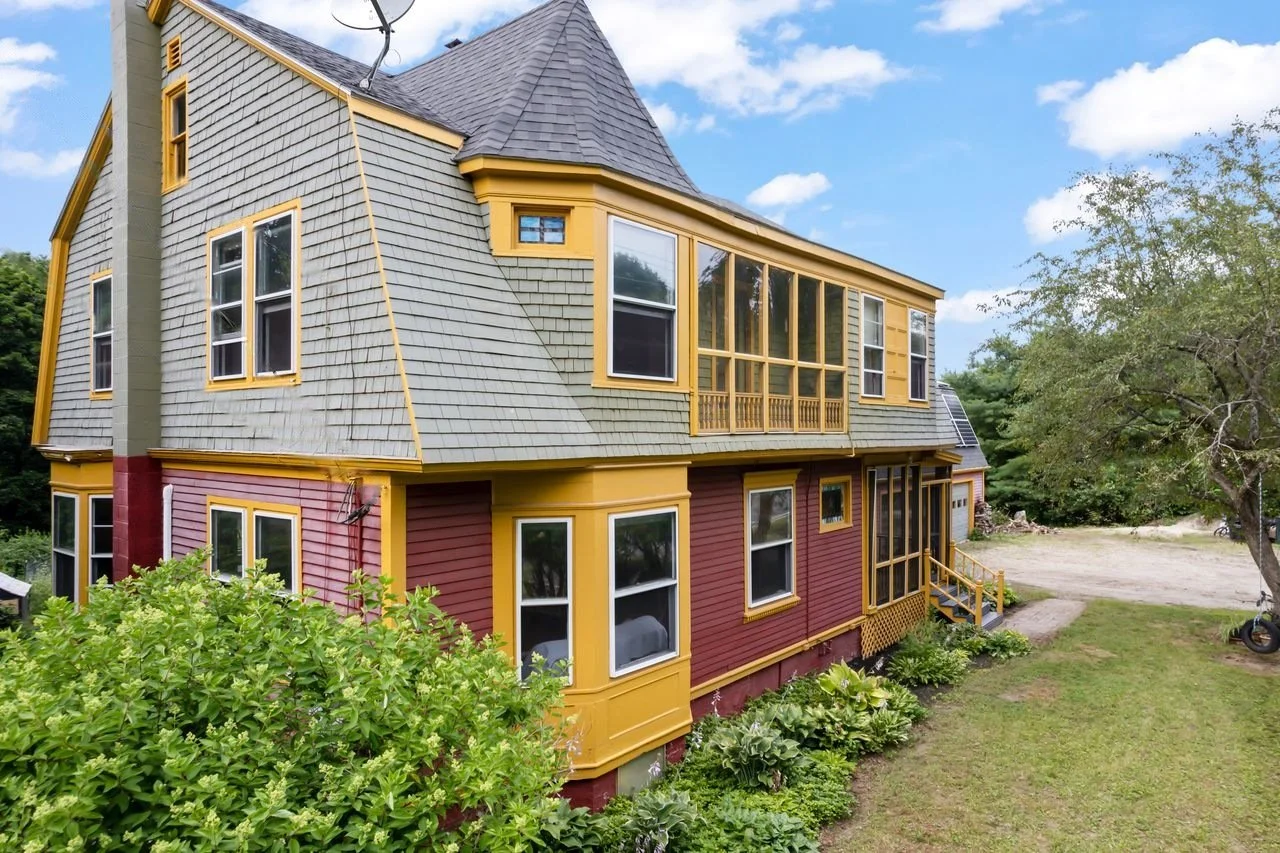
The Captain George T. Getchell House, Bowdoinham. Listed and sold by Balsam. Photo: Hommati.
Nearly a quarter of Maine's homes were built before 1940, about twice the national share, and in Freeport and the surrounding towns capes, colonials and connected farmhouses from the 1700s and 1800s still line the old roads. These houses sell well, but they raise more questions than newer ones, from buyers, their inspectors, their lenders and their insurers. Most of those questions can be answered from the public record before anyone signs a contract.
Buying an antique home
Title and boundaries. Old deeds often describe land by stone walls, trees and the names of long gone neighbors, and rights of way may date back generations. We review the record with your title company early, so surprises surface before you are committed.
Water and septic. Older homes may draw from a dug well or a spring and may have a septic system installed before current Maine rules, or no system on record at all. Town files and the state's subsurface wastewater records show what has been permitted.
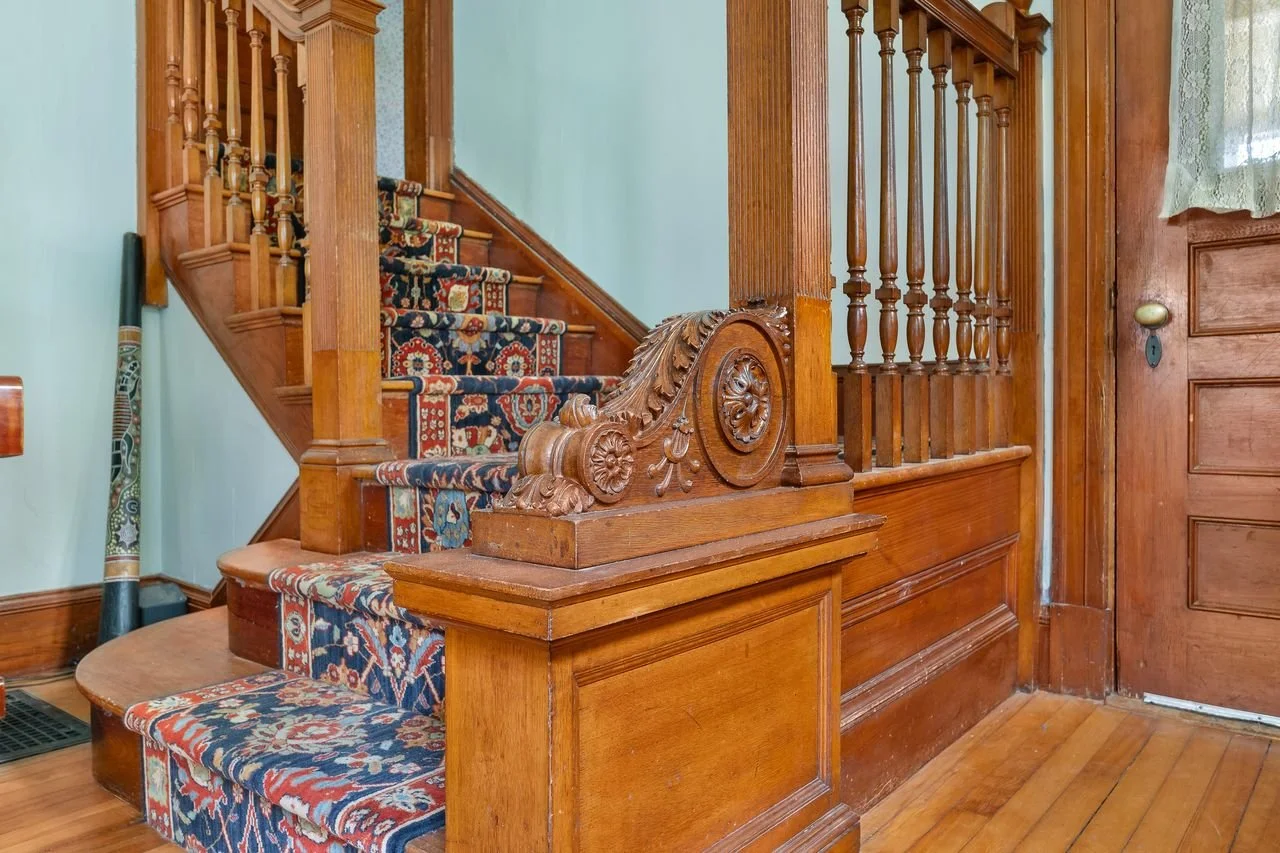
The staircase at the Getchell House, Bowdoinham. Photo: Hommati.
Structure and systems. Fieldstone foundations, original sills, chimneys and roofs deserve a close look. Insurers often ask about knob and tube wiring, older heating systems and buried oil tanks.
Lead paint. Any home built before 1978 comes with a federal lead paint disclosure and the opportunity to test before you buy.
Town rules. In downtown Freeport, design review standards are meant to prevent inappropriate alterations to buildings of historic value, so exterior changes, additions and demolition there may need review. Other towns have their own historic districts. Listing on the National Register of Historic Places, as with Freeport's Harraseeket Historic District, does not by itself limit what a private owner may do with a house using private funds, but local rules can.
The history of the house. The Freeport Historical Society keeps photographs and records on many of the town's older houses, and its Heritage Trail and downtown walking tour are a good introduction to how Freeport was built. The National Register listing for the Harraseeket Historic District describes the river villages and their houses. We start a house history with the deed chain and the town's records and go to these sources next.
New listings sent to you. Tell us the towns, the era and the price range you have in mind and we will set up an MLS search that emails you new antique and historic listings as they come on the market.
Selling an antique home
Buyers of old houses do more homework, so we do it first. Before your house goes on the market we review the title, the town's records on the property, the septic and well files and any zoning or shoreland questions, and we summarize the answers in writing for buyers and their agents. When the town's record of the build date does not match the house, we say so plainly and let the house speak for itself.
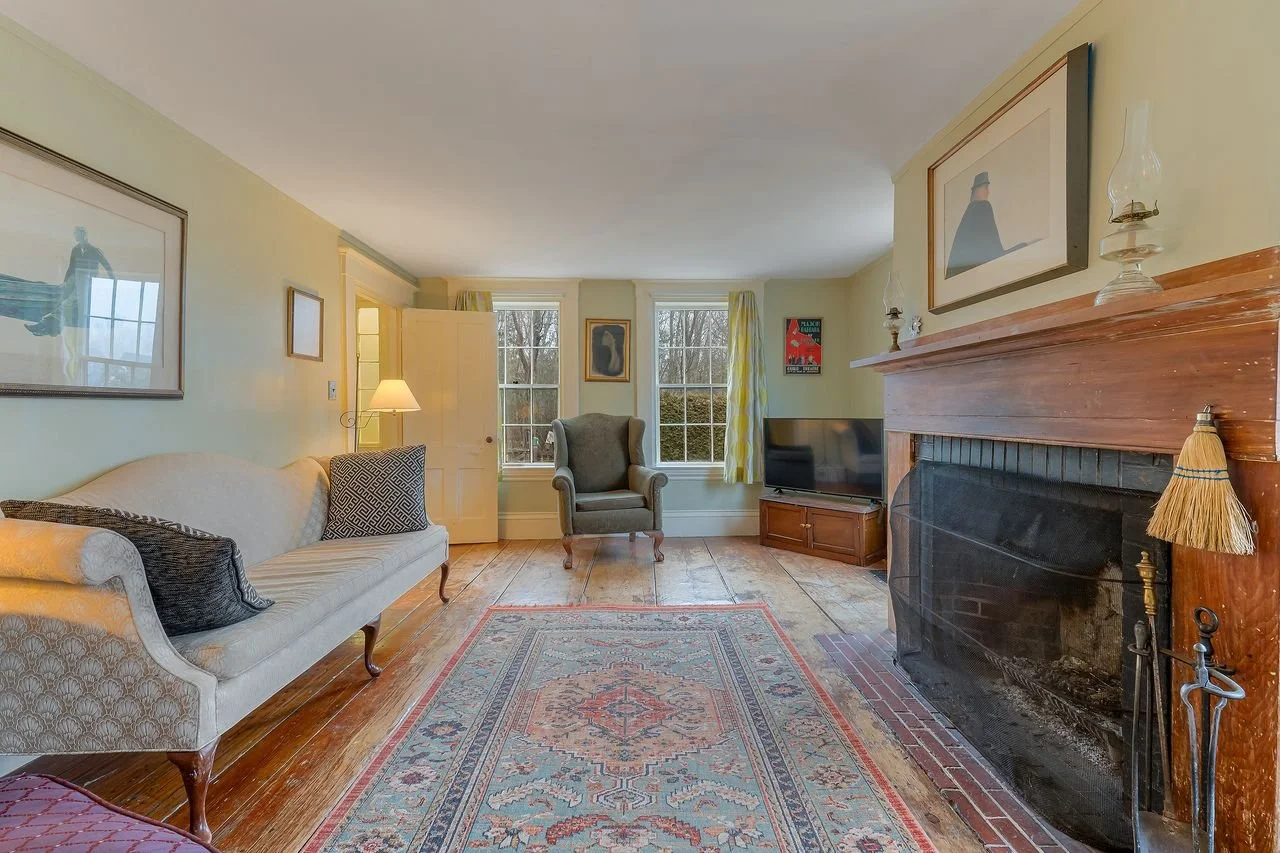
Original wide pine floors at Wealden Farm, Freeport. Listed and sold by Balsam. Photo: Hommati.
We price from closed sales of comparable older homes, stage and photograph the period details buyers come for and attend every showing ourselves. Our recent sales include the Captain George T. Getchell House in Bowdoinham, an 1893 Victorian in the village, and Wealden Farm in Freeport, an early nineteenth century colonial with a barn on nearly four acres, offered for the first time since 1965.
Talk with us
Call 207.865.0123 or email homework@balsamrealty.com. Meetings are by appointment in Freeport, by phone or by Zoom.
What is your antique home worth?
See also horse farms, barns and farmland and the Freeport areas.
Subscribe to the Freeport Property Letter, Freeport property decisions reported from the public record about once a month.